Posted on 3/27/2026
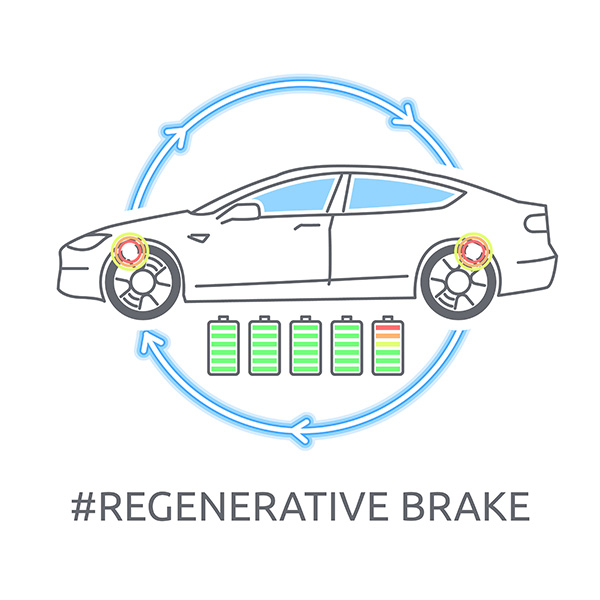
Regenerative braking sounds like a simple win: slow down, get energy back, done. In practice, it depends on battery temperature, state of charge, traction, and how the car blends braking behind the scenes. That is why two drives that feel similar can return very different amounts of energy. Once you know what the system is trying to do, the quirks start making more sense. What Regenerative Braking Is Actually Doing Regenerative braking uses the drive motor as a generator when you slow down. Instead of turning the car’s motion into heat at the brake pads, the motor resists rotation and creates electricity. That electrical energy is sent back through the power electronics and into the battery. You still slow down, but the energy has somewhere useful to go. It is not a free-energy trick, though. There are conversion losses at each step, so you never get back everything you spent to accelerate. What you do get back is often enough to improve range and reduce wear ... read more