Posted on 8/28/2026

High-mileage European vehicles can remain dependable well beyond 100,000 miles, but age changes what they need from a repair shop. Fluids, seals, rubber components, electronic controls, and suspension parts have endured years of heat cycles, vibration, and road use. At this stage, maintenance should follow the manufacturer’s requirements while accounting for the vehicle’s current condition. These seven problems commonly appear as European cars accumulate mileage, especially when earlier services were delayed or completed with incorrect parts and fluids. 1. Engine Oil Leaks Around Aging Seals European engines often use several gaskets, seals, housings, and oil-controlled components within tightly packaged engine bays. As rubber and plastic age, leaks may develop around valve covers, oil filter housings, vacuum pumps, timing covers, oil pans, and crankshaft seals. Even a small leak can create additional trouble. Oil may reach the serpentine belt, engine m ... read more
Posted on 7/31/2026
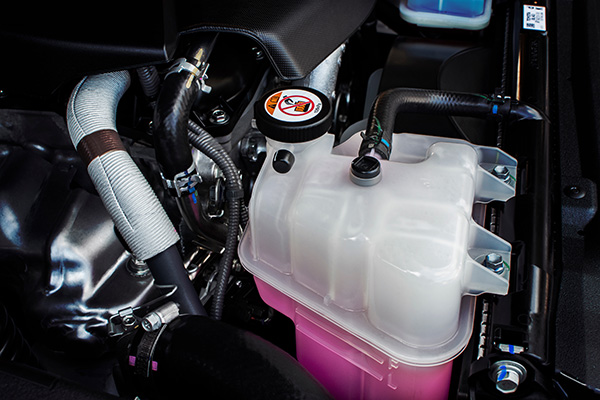
Coolant bubbling in the reservoir can make any driver nervous. You open the hood, see movement or bubbles in the tank, and start wondering whether the engine is overheating, the coolant is boiling, or something deeper is wrong inside the engine. Some movement in the reservoir can be normal on certain vehicles as coolant expands and circulates. Constant bubbling, violent bubbling, coolant pushing out, or bubbles that appear with overheating are different. Those signs can point toward trapped air, a weak cap, overheating, poor circulation, or exhaust gases entering the cooling system. What The Coolant Reservoir Does The coolant reservoir provides a place for coolant to expand as the engine warms up. When the engine gets hot, pressure builds in the cooling system, and coolant expands. The reservoir helps manage that expansion and allows coolant to return as the engine cools. A little movement in the tank may happen as temperature changes. That does not always mean som ... read more
Posted on 6/26/2026
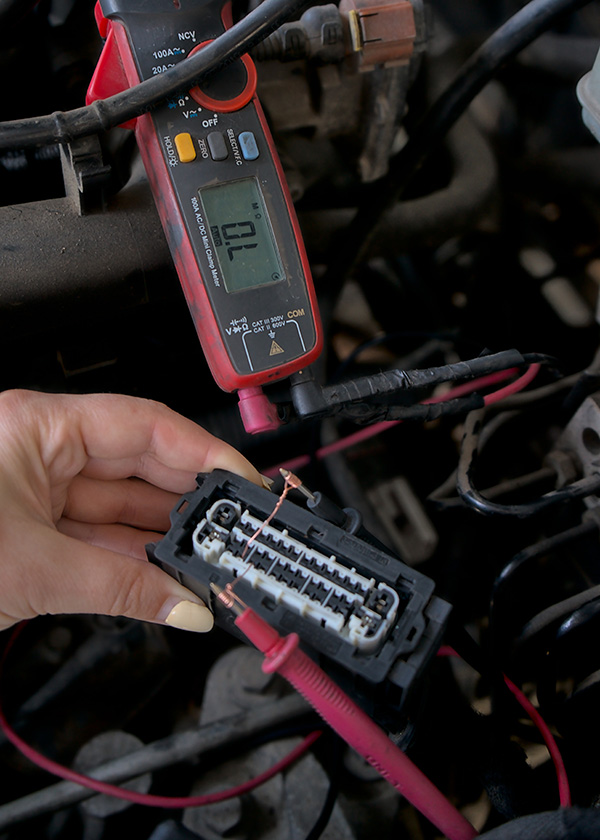
Intermittent electrical problems can make a car feel unpredictable. One day, the windows work fine, the next day a light flickers, the radio cuts out, or a warning message appears and disappears before you can show anyone. Since the problem does not stay long enough to be obvious, many drivers keep waiting for it to become easier to explain. That waiting period can be frustrating. Electrical issues that come and go still have a cause. The hard part is catching the problem in the right conditions, then tracing it through the battery, charging system, wiring, switches, modules, and grounds. Weak Battery Voltage Can Create Strange Symptoms A weak battery does more than make the engine crank slowly. Modern vehicles need steady voltage for computers, sensors, lighting, climate controls, power accessories, and security systems. When the voltage drops too low, the car can start acting strangely, even if it still starts. You might see flickering lights, warning messages, s ... read more
Posted on 5/29/2026
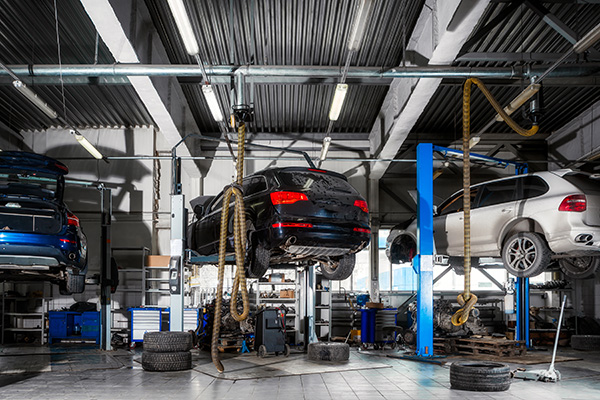
Owning a European vehicle often comes with a different driving experience. The performance, handling, and overall feel tend to stand out compared to many other cars on the road. What many drivers discover over time is that maintaining and repairing these vehicles can feel different as well. European car repair is not just standard auto repair with a different badge on the hood. There are specific design choices, systems, and service approaches that set these vehicles apart, and understanding these differences can help you better care for your car. Engineering and Design Are More Complex European vehicles are often built with a strong focus on performance and precision. That typically means tighter tolerances, more advanced systems, and greater engineering complexity. While this can improve how the car drives, it also means repairs require a deeper understanding of how everything works together. Components are often more integrated, so a small issue in one area can ... read more
Posted on 4/30/2026
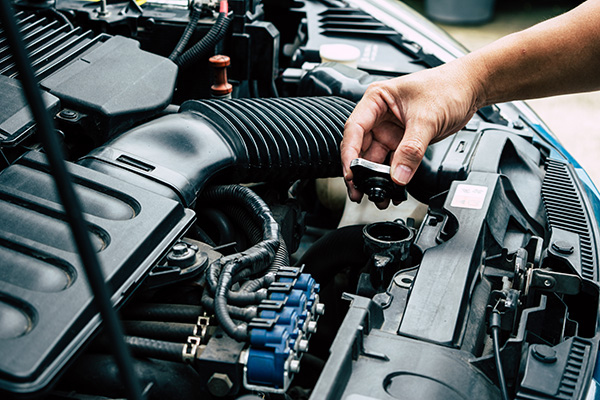
Radiator problems have a way of building quietly. The engine still runs, the car still gets through the week, and the temperature gauge may stay normal right up until the cooling system finally starts losing control. By then, what could have been a smaller repair can turn into overheating, coolant loss, and a much bigger bill. That is why radiator trouble is worth paying attention to early. What The Radiator Is Really Doing Many drivers think the radiator is just there to keep the engine from overheating. It does that, but the bigger job is controlling heat every time the car is running. Coolant moves through the engine, carries heat away, and then passes through the radiator so that heat can be released before the coolant goes back around again. Once the radiator cannot move coolant cleanly or release heat the way it should, the whole cooling system starts losing ground. The car may still drive normally for a while, but the safety margin gets smaller with every tr ... read more