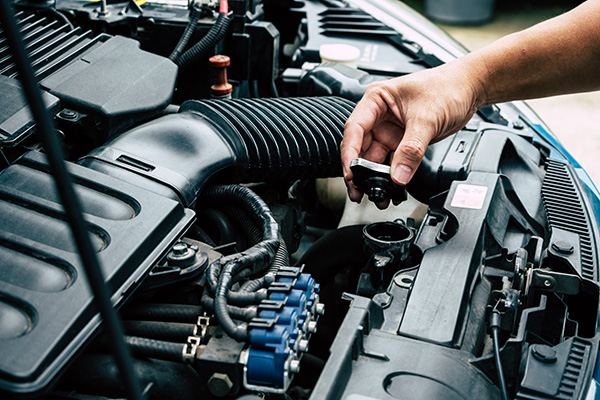
Radiator problems have a way of building quietly. The engine still runs, the car still gets through the week, and the temperature gauge may stay normal right up until the cooling system finally starts losing control. By then, what could have been a smaller repair can turn into overheating, coolant loss, and a much bigger bill.
That is why radiator trouble is worth paying attention to early.
What The Radiator Is Really Doing
Many drivers think the radiator is just there to keep the engine from overheating. It does that, but the bigger job is controlling heat every time the car is running. Coolant moves through the engine, carries heat away, and then passes through the radiator so that heat can be released before the coolant goes back around again.
Once the radiator cannot move coolant cleanly or release heat the way it should, the whole cooling system starts losing ground. The car may still drive normally for a while, but the safety margin gets smaller with every trip.
What Causes Radiator Problems In The First Place
Radiators can fail for several reasons, and a lot of them begin with age, contamination, or outside damage. Internal corrosion can build up if the coolant has been left in service too long. Dirt and debris can collect on the outside and reduce airflow. Plastic tanks can crack over time, and hoses or connections around the radiator can start leaking.
A few common radiator-related problems include:
- Coolant leaks from the radiator or tank seams
- Internal buildup that restricts coolant flow
- External debris is blocking airflow through the fins
- Cracked plastic tanks or damaged hose connections
- Corrosion caused by old or incorrect coolant
None of those should be brushed off as minor if the cooling system is already showing signs of strain.
Why Small Leaks Turn Into Bigger Trouble Fast
A radiator leak does not need to be large to create real trouble. A slow seep can lower the coolant level just enough to reduce cooling performance, especially in traffic or hot weather. Drivers sometimes keep topping the system off and hope that buys enough time. It really just delays the real repair.
Once the coolant keeps dropping, the engine has less protection against heat. That is when a radiator problem can move from annoying to expensive. Overheating can damage hoses, stress the water pump, and in worst cases, lead to engine damage that costs far more than the radiator repair itself.
How Corrosion And Old Coolant Cause Trouble
Old coolant is one of the biggest reasons radiators age badly. Coolant does more than carry heat. It also helps protect the cooling system from corrosion. Once it gets old or contaminated, that protection starts fading. The inside of the radiator can begin collecting rust, scale, and deposits that restrict flow and reduce cooling efficiency.
That buildup does not always show itself right away. The car may seem fine until warmer weather, longer drives, or stop-and-go traffic expose how much cooling capacity has already been lost. Regular maintenance helps a lot here because fresh coolant gives the system a much better chance of staying clean inside.
How To Prevent Radiator Problems
Prevention starts with paying attention to the cooling system before it gives you a hard warning. Coolant should be kept clean and at the proper level. Leaks should be checked early. The radiator fins should stay clear enough for air to pass through. Hoses and connections should be inspected before they become weak spots.
A few smart habits go a long way:
An inspection during routine service can catch weak hoses, leaks, and cooling-system wear before the radiator starts struggling to keep up.
Signs Your Radiator May Already Need Repair
Most cooling systems leave clues before they fail completely. The temperature gauge may run a little higher than before. The heater may become inconsistent. You may notice coolant under the car, a sweet smell after driving, or signs of dried coolant around the radiator area. In some cases, the A/C may feel weaker at idle because the engine is running hotter than it should.
Those signs are worth taking seriously. A radiator does not have to split open or dump all its coolant at once to need repair. Small changes in temperature behavior and coolant level are enough to warrant a system check.
Why Early Repair Saves So Much Money
Radiator problems are much easier to manage when they are still centered on the cooling system. Once the engine has been overheated, the repair can spread well beyond the radiator itself. That is the part drivers regret most. The first warning signs were there, but the car still seemed usable enough to wait.
Cooling system repairs rarely get cheaper with time. The smart move is to deal with the radiator while the issue is still contained and the engine is still protected.
Get Radiator Repair In Corpus Christi, TX, With Romay's Auto Service
If your car is losing coolant, running warmer than it should, or showing signs of cooling system trouble, Romay's Auto Service in Corpus Christi, TX, can perform an inspection and find out whether the radiator is the cause before the problem turns into overheating and engine damage.
Bring it in early and deal with the cooling system before a manageable repair grows into something much harder to ignore.