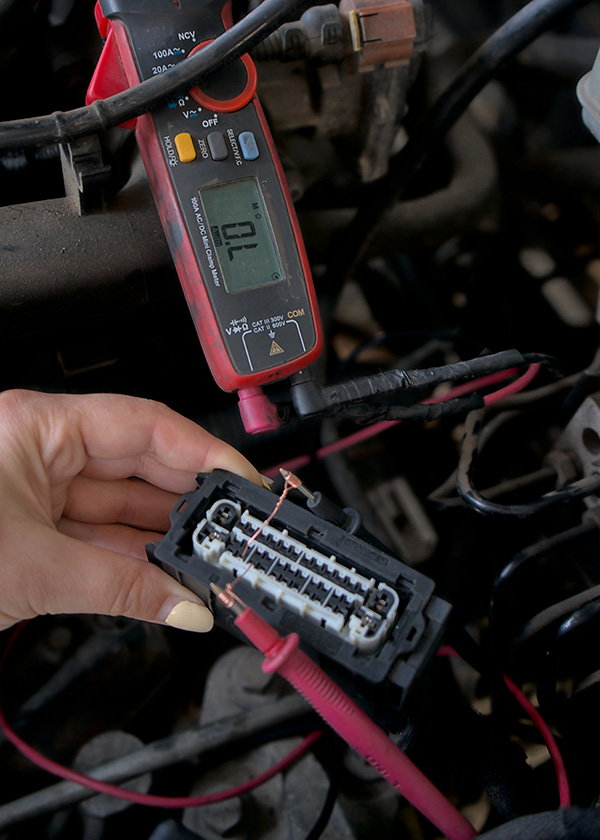
Intermittent electrical problems can make a car feel unpredictable. One day, the windows work fine, the next day a light flickers, the radio cuts out, or a warning message appears and disappears before you can show anyone. Since the problem does not stay long enough to be obvious, many drivers keep waiting for it to become easier to explain.
That waiting period can be frustrating. Electrical issues that come and go still have a cause. The hard part is catching the problem in the right conditions, then tracing it through the battery, charging system, wiring, switches, modules, and grounds.
Weak Battery Voltage Can Create Strange Symptoms
A weak battery does more than make the engine crank slowly. Modern vehicles need steady voltage for computers, sensors, lighting, climate controls, power accessories, and security systems. When the voltage drops too low, the car can start acting strangely, even if it still starts.
You might see flickering lights, warning messages, slow power windows, random resets, or a radio that cuts out. A battery nearing the end of its life can cause symptoms that mimic several separate problems. Testing the battery under load is one of the first steps because low voltage can confuse the rest of the electrical system.
Charging System Problems Can Come And Go
The alternator keeps the battery charged and supplies power while the engine is running. If the alternator is weak, the belt is slipping, or a connection is loose, the vehicle may receive uneven power. That can cause electrical symptoms that appear during certain drives and disappear later.
Some drivers notice the issue more at night with the headlights on, in traffic with the blower running, or when several accessories are being used at once. The battery light may turn on briefly, or the dashboard may flicker for a second. Those small clues are worth checking before the vehicle ends up with a dead battery or a charging failure.
Bad Grounds Cause Confusing Electrical Behavior
Ground connections complete electrical circuits. When a ground strap is loose, corroded, damaged, or poorly connected, electricity does not return the way it should. That can make one part of the car affect another in odd ways.
A bad ground can cause dim lights, starting trouble, sensor faults, warning lights, or accessories that work only intermittently. These problems can change with temperature, moisture, vibration, or engine movement. That is why a car can act normal in the driveway and then misbehave on the road. A proper inspection should include the ground points, not just the visible parts that stopped working.
Loose Connections And Corrosion Are Common Trouble Spots
Electrical connectors live in a tough environment. Heat, moisture, road salt, vibration, and age can all weaken the connection between wires, terminals, and components. A connector that is slightly loose or corroded can work fine until the vehicle hits a bump, warms up, or gets damp.
This is common around battery terminals, fuse boxes, relays, lighting connectors, door wiring, and sensors under the hood. Corrosion does not always look severe from the outside. Sometimes the problem is hidden inside the connector where the terminal no longer grips tightly. That small loss of contact can create a problem that seems random from the driver’s seat.
Switches, Relays, And Fuses Can Fail In Stages
Not every electrical part fails completely at once. A relay can stick, a switch can wear internally, and a fuse connection can become loose, leaving the circuit partially open. That is why a feature might work after tapping a switch, restarting the vehicle, or waiting a few minutes.
Power windows, locks, headlights, blower motors, wipers, and cooling fans can all act this way when the control side of the circuit starts failing. A technician has to test when the problem is active whenever possible. Replacing parts based solely on symptoms can get expensive fast, since several parts can produce the same result.
Moisture Can Trigger Electrical Problems
Water is a major reason electrical issues show up after rain, car washes, high humidity, or coastal weather. Moisture can enter worn seals, damaged connectors, light housings, door harnesses, sunroof drains, or fuse box areas. Once it reaches electrical contacts, it can create corrosion, short circuits, or temporary faults.
The symptom may disappear as the area dries out, making it harder to prove later. Pay attention to timing. If the same warning light or accessory issue appears after wet weather, that detail can help narrow the search. Regular maintenance helps catch cracked seals, weak covers, and early corrosion before they create repeat electrical complaints.
Why Intermittent Electrical Problems Need Testing
Intermittent electrical problems are hard to solve by guessing. The system needs to be checked for voltage, ground quality, charging output, connector condition, stored fault codes, and conditions that cause the problem. The more specific the symptom history is, the better the testing process usually goes.
Try to note when the issue happens. Does it show up after rain, over bumps, during startup, with the A/C on, or after the car warms up? Those details matter because they help distinguish between a weak battery, a wiring fault, a failing relay, a bad ground, or a module communication issue.
Get Electrical Diagnostics In Corpus Christi, TX, With Romay's Auto Service
If your vehicle has warning lights, flickering accessories, starting trouble, or electrical problems that appear and disappear, Romay's Auto Service in Corpus Christi, TX, can test the system and track down the cause.
Do not wait for an intermittent issue to leave you stranded.Please contact us to schedule an appointment.