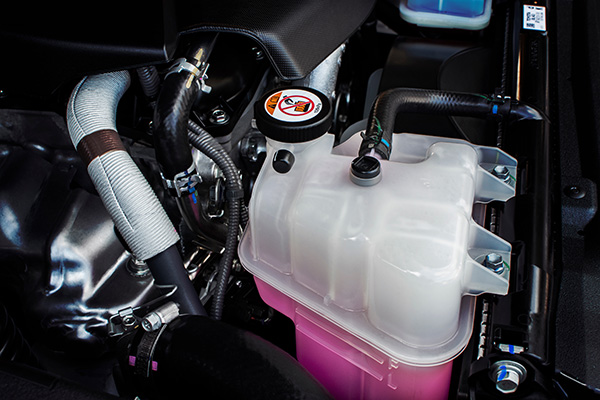
Coolant bubbling in the reservoir can make any driver nervous. You open the hood, see movement or bubbles in the tank, and start wondering whether the engine is overheating, the coolant is boiling, or something deeper is wrong inside the engine.
Some movement in the reservoir can be normal on certain vehicles as coolant expands and circulates. Constant bubbling, violent bubbling, coolant pushing out, or bubbles that appear with overheating are different. Those signs can point toward trapped air, a weak cap, overheating, poor circulation, or exhaust gases entering the cooling system.
What The Coolant Reservoir Does
The coolant reservoir provides a place for coolant to expand as the engine warms up. When the engine gets hot, pressure builds in the cooling system, and coolant expands. The reservoir helps manage that expansion and allows coolant to return as the engine cools.
A little movement in the tank may happen as temperature changes. That does not always mean something is broken. The concern starts when bubbles are steady, forceful, or accompanied by other symptoms such as rising temperature, coolant loss, steam, or a sweet smell after driving.
The reservoir is a clue, not the full answer. The rest of the cooling system needs to be checked before deciding what is causing the bubbling.
Air May Be Trapped In The Cooling System
Air trapped in the cooling system can create bubbling in the reservoir. This can happen after coolant service, a hose replacement, radiator work, a thermostat replacement, or any repair that opens the system.
Air pockets can interfere with coolant flow. They may cause heater problems, temperature swings, gurgling sounds, or bubbles in the reservoir. Some vehicles are harder to bleed than others, and the correct bleeding procedure matters.
If air is trapped, the system may need to be properly filled and bled. But air can also enter because of a leak, so the cause still needs attention. Bleeding the system without checking for leaks can allow the same problem to return.
A Weak Radiator Cap Or Reservoir Cap Can Cause Trouble
The cooling system needs pressure to work correctly. Pressure raises the coolant's boiling point and helps keep the system stable. If the radiator cap or reservoir cap does not hold pressure, coolant can boil sooner or move into the reservoir incorrectly.
A weak cap can cause bubbling, coolant loss, overheating, or coolant being pushed out after driving. The cap may look fine from the outside, but the seal or pressure valve can still be weak.
Cap testing is a simple but important part of a cooling system inspection. Replacing larger parts without checking the cap can miss a small cause of a big symptom.
Coolant May Be Boiling From Overheating
If the engine is running too hot, the coolant may boil. Boiling can show up as bubbling, steam, pressure buildup, or coolant overflowing from the reservoir. The temperature gauge may rise, the warning light may come on, or the engine may smell hot after driving.
Overheating can come from many causes, including low coolant, a stuck thermostat, weak water pump, clogged radiator, cooling fan problem, bad pressure cap, collapsed hose, or restricted coolant flow.
Boiling coolant should not be ignored. Once the engine overheats, head gaskets, seals, hoses, sensors, and internal parts can be damaged. If the temperature gauge climbs into the danger zone, it is safer to stop and have the vehicle checked rather than continue driving.
Exhaust Gases Can Enter The Coolant
One of the more serious causes of bubbling is exhaust gas entering the cooling system. This can happen if a head gasket fails, a cylinder head cracks, or another internal sealing problem allows combustion pressure to push into the coolant passages.
When exhaust gases enter the coolant, bubbles may appear in the reservoir while the engine is running. The system may build pressure quickly, push coolant out, overheat, or keep losing coolant without an obvious external leak.
Warning signs may include:
- Constant bubbles in the reservoir
- Coolant pushed out after driving
- White smoke from the exhaust
- Rough startup
- Overheating under load
- Sweet smell from the exhaust
- Coolant level dropping repeatedly
- Milky-looking oil
These symptoms alone do not prove the exact failure. They do mean the vehicle needs proper testing before more driving adds risk.
Poor Coolant Flow Can Create Hot Spots
Coolant needs to move through the engine, radiator, hoses, and heater core. If flow is restricted, hot spots can form. Those hot spots can create bubbling, temperature swings, weak cabin heat, or overheating at idle and in traffic.
A stuck thermostat can block flow. A weak water pump may not circulate coolant properly. A clogged radiator can reduce heat transfer. A collapsed hose can restrict movement. Old coolant and corrosion can also contribute to flow problems inside small passages.
Regular maintenance helps catch old coolant, weak hoses, early leaks, and pressure problems before the system gets hot enough to bubble and overflow.
Why Testing Matters Before Repair
Coolant bubbling can have several causes, some of which are much more serious than others. The repair could be as simple as bleeding trapped air or replacing a weak cap. It could also involve a thermostat, fan, water pump, radiator, leak repair, or engine sealing concern.
A proper check may include pressure testing, cap testing, temperature checks, fan operation checks, leak tracing, coolant condition testing, and testing for combustion gases in the coolant. That process helps separate a minor cooling system issue from a major engine problem.
Get Coolant System Repair In Corpus Christi, TX, With Romay's Auto Service
If your coolant reservoir bubbles, overflows, loses coolant, or your engine starts running hot, Romay's Auto Service in Corpus Christi, TX, can inspect the cooling system and find the cause.
For coolant system repair before bubbling turns into overheating or engine damage, contact us to schedule an appointment.