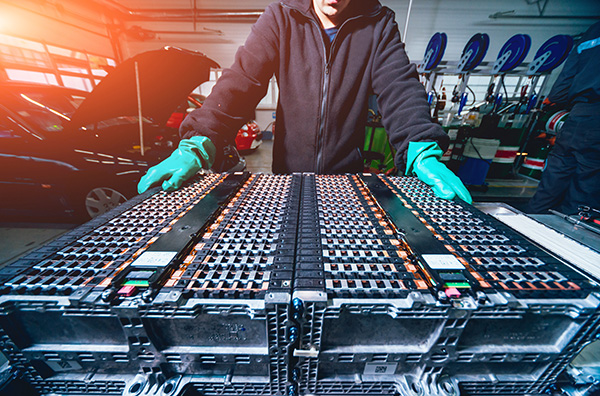
An electric car still has heat to get rid of, even without a gasoline engine. The battery, power electronics, and motor need temperature control, and coolant does part of that work on many EVs. Overlooking required coolant service can put expensive parts at risk, but the schedule must match the vehicle.
EV Coolant Service Isn't the Same on Every Car
Some EVs have a scheduled coolant replacement interval. Others don't require routine replacement under normal conditions. For example, Tesla lists no battery coolant replacement for the life of certain Model 3 vehicles under most circumstances, while some Hyundai EVs use a low-conductivity coolant with specific service requirements. Even vehicles from the same brand can use different arrangements.
We check the model, year, and service information before recommending a flush or replacement. A generic interval borrowed from a gasoline car doesn't answer the question. Missing a required service isn't an automatic total loss, but letting a known coolant problem continue can damage equipment that is far more expensive than the fluid service.
What EV Coolant Protects During Driving and Charging
Battery temperature affects how the car charges and delivers power. Coolant carries heat through the parts designed to manage it, with pumps and valves directing flow where needed. The radiator and, on some designs, air conditioning equipment help remove that heat. There can be more than one cooling circuit, and the coolant in each circuit isn't necessarily interchangeable.
Heavy use, hot weather, or rapid charging adds heat that the car must control. If flow becomes restricted or coolant is lost, the vehicle may reduce power or charging speed to protect itself. Those limits are a reason to investigate the cause. Repeatedly trying another charger won't repair a coolant pump or clear a restricted passage.
Why the Correct EV Coolant Is Part of the Repair
Some electric vehicles require low-conductivity coolant. That specification is different from choosing a bottle by color. Using the wrong antifreeze or adding an unapproved amount of water changes the fluid's properties and can create trouble in the circuit it serves. Coolant intended for another vehicle isn't a safe substitute simply because it looks similar.
The service procedure controls how the old fluid is removed, how the circuit is filled, and how trapped air is cleared. Certain vehicles need scan-tool commands to run pumps or open valves during the work. Leaving air trapped after a service can interrupt circulation even when the reservoir looks full. A correct fill needs more than pouring fluid into the visible bottle.
What Delayed Coolant Service Can Lead To
Coolant contains additives that control corrosion and protect the materials it contacts. As required service is postponed, deteriorated or contaminated fluid can leave deposits, damage seals, or reduce circulation. A leak lowers the amount available to carry heat away. Restricted flow makes the pumps work against a problem the driver might not see from the reservoir.
Persistent overheating can damage power electronics, an electric drive unit, or the battery, depending on the circuit and fault. Those are possible outcomes, not a prediction that every overdue service will destroy the car. The sensible response is to follow the correct schedule and investigate warnings or fluid loss before continued driving adds heat to an unresolved problem.
EV Cooling Warnings That Need Checking
Watch for changes such as:
- A coolant or temperature warning on the display
- Repeated reductions in charging speed without another explanation
- Power being limited during normal driving
- Coolant collecting beneath the vehicle
- A reservoir level that keeps dropping
- Unusual pump noise or gurgling after coolant work
Follow the car's instructions for any stop or overheating warning. Don't open a hot reservoir or remove high-voltage covers to investigate. You can check the visible level from outside the reservoir when the manual permits it and the vehicle is cool. Leave pressure testing, electrical checks, and work around high-voltage equipment to the shop.
Checking EV Coolant Flow Before Replacing Parts
We review the warnings and service history, inspect for leaks, and compare temperature readings with what the car is doing. Pump operation and coolant flow need checking through the relevant circuit. A tank that looks full doesn't show that every passage is circulating or that air was removed correctly after previous work.
Before a scheduled service, confirm the coolant specification and procedure for the exact EV. After a repair, the checks should show stable temperatures, correct fluid level, and no remaining leaks. Keeping that record helps the next visit, particularly if a warning returns after charging or only during hot-weather driving. There is no single flush method that fits every electric car.
Get EV Coolant Service In Corpus Christi, TX, With Romay's Auto Service
Romay's Auto Service in Corpus Christi, TX, can review your EV's coolant requirements and discuss a warning or overdue service. Share the model, year, and any coolant work already completed.
Check the required coolant service before a temperature warning interrupts your next drive or charging stop.