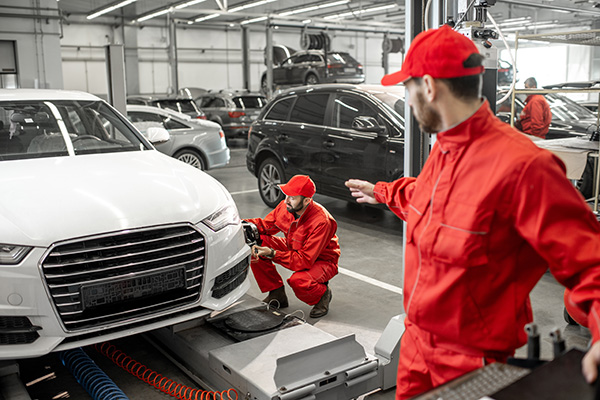
High-mileage European vehicles can remain dependable well beyond 100,000 miles, but age changes what they need from a repair shop. Fluids, seals, rubber components, electronic controls, and suspension parts have endured years of heat cycles, vibration, and road use.
At this stage, maintenance should follow the manufacturer’s requirements while accounting for the vehicle’s current condition. These seven problems commonly appear as European cars accumulate mileage, especially when earlier services were delayed or completed with incorrect parts and fluids.
1. Engine Oil Leaks Around Aging Seals
European engines often use several gaskets, seals, housings, and oil-controlled components within tightly packaged engine bays. As rubber and plastic age, leaks may develop around valve covers, oil filter housings, vacuum pumps, timing covers, oil pans, and crankshaft seals.
Even a small leak can create additional trouble. Oil may reach the serpentine belt, engine mounts, wiring, or hot exhaust components. The oil level can also fall between services without triggering an immediate warning. Regular level checks and early leak repair help protect bearings, timing components, and turbochargers from low lubrication.
2. Cooling System Plastic And Rubber Parts Weaken
Many European cooling systems use plastic reservoirs, hose fittings, thermostat housings, radiator connections, and electrically controlled water pumps. Years of heat exposure can make these parts brittle even when the coolant has been replaced correctly.
A failing component may first produce dried residue, a sweet odor, weak cabin heat, or a low-coolant message. Electric water pumps can also lose circulation without leaving a visible puddle. An inspection should include pressure testing, fan operation, pump performance, hose condition, and the correct coolant specification before a long trip or demanding summer driving.
3. Suspension Bushings And Mounts Wear Out
European vehicles are often designed with precise suspension geometry and firm control of wheel movement. Rubber control arm bushings, sway bar links, strut mounts, ball joints, and rear suspension links gradually loosen or separate as mileage increases.
Drivers may notice clunking, wandering, steering movement during braking, or uneven tire wear. Worn parts can allow alignment angles to change while the vehicle is moving, even when stationary measurements appear acceptable. Replacing tires or performing an alignment before repairing loose suspension components will not provide a lasting correction.
4. Transmission Fluid And Seals Need Attention
European automatic, dual-clutch, and continuously variable transmissions often require exact fluid specifications and service procedures. Many units have no conventional dipstick and must be checked while the fluid is within a defined temperature range.
Old fluid, low level, leaking seals, or worn electrical components can lead to delayed engagement, harsh shifting, shuddering, or warning messages. A transmission described as filled for life still depends on clean fluid and proper level throughout its service life. Diagnostic testing should confirm whether the concern involves fluid condition, hydraulic pressure, electronic controls, or internal wear.
5. Engine And Transmission Mounts Collapse
Powertrain mounts control engine and transmission movement while reducing vibration inside the cabin. Many European vehicles use hydraulic or electronically controlled mounts that provide better isolation than basic rubber designs.
As the mounts age, they may leak, collapse, or lose their ability to change stiffness. The vehicle may vibrate at idle, clunk when shifting into Drive or Reverse, or allow the engine to move excessively during acceleration. Failed mounts can also strain axles, exhaust flex sections, hoses, wiring, and nearby brackets.
6. Carbon Deposits Affect Direct-Injection Engines
Many European gasoline engines use direct fuel injection, which sprays fuel directly into the combustion chamber. Unlike port-injection systems, fuel does not consistently wash across the backs of the intake valves. Oil vapor from the crankcase ventilation system can therefore form deposits on those valves over time.
Heavy buildup can restrict airflow and contribute to rough idling, misfires, reduced power, or difficult cold starts. Cleaning methods vary by engine and deposit severity. Before recommending intake valve cleaning, technicians should confirm the symptom through fault information, live data, mechanical checks, and direct inspection where appropriate.
7. Electronic Sensors And Modules Develop Age-Related Faults
High-mileage European cars contain numerous sensors and control modules managing the engine, transmission, brakes, steering, climate system, charging system, and driver-assistance features. Heat, moisture, low battery voltage, connector corrosion, and wiring damage can produce intermittent warnings as the vehicle ages.
A warning light does not automatically identify the failed part. Proper diagnostic testing may include scanning all control modules, reviewing stored and current faults, checking live data, and testing power, ground, and signal circuits. Replacing the component named in a fault description without confirming the cause can leave the original problem unchanged.
Why Service History Becomes More Important
At higher mileage, service records help separate overdue maintenance from parts that have already been replaced. They show when coolant, transmission fluid, spark plugs, brake fluid, filters, belts, and drivetrain lubricants last received attention.
A strong regular maintenance plan should prioritize active leaks, overheating risks, braking concerns, and looseness affecting steering or tires. Less urgent seepage or aging components can be monitored with clear measurements and follow-up dates. This approach keeps the vehicle dependable without replacing every older part at once.
Get High-Mileage European Auto Service In Corpus Christi, TX, With Romay's Auto Service
Romay's Auto Service in Corpus Christi, TX, can evaluate fluid leaks, cooling system parts, suspension wear, transmission operation, powertrain mounts, carbon buildup, and electronic warning concerns.
Contact us to schedule service and build a practical maintenance plan for your high-mileage European vehicle.